PoE injectors

Home

PoE injectors

  • Can PoE injectors support devices requiring more than 60W?
    Feb 28, 2023
      Yes, Power over Ethernet (PoE) injectors can support devices requiring more than 60W, but this depends on the type of PoE standard the injector supports. Here’s a breakdown:   1. IEEE 802.3af (PoE) – 15.4W Power Output: Up to 15.4W per port, suitable for devices like IP phones, cameras, and small access points. Not sufficient for devices requiring more than 60W.   2. IEEE 802.3at (PoE+) – 25.5W Power Output: Up to 25.5W per port, designed to power devices with higher power needs, like some access points and more advanced IP cameras. Still not enough for devices exceeding 60W.   3. IEEE 802.3bt (PoE++ or 4PPoE) This standard comes in two power classes: --- Type 3 (60W): Up to 60W per port. This can support devices like certain high-power access points, PTZ cameras, or advanced network devices. --- Type 4 (100W): Up to 100W per port. This is designed for high-power devices, such as larger PTZ cameras, video conferencing systems, and devices that need more power for operation.   4. PoE Injectors for >60W Devices above 60W: To support devices that need more than 60W, you need a PoE++ injector that supports Type 4 (100W). Example devices: High-performance access points, network appliances, and video surveillance systems with higher power requirements. Considerations: Ensure both the injector and the device are compliant with the 802.3bt Type 4 standard. The cable (Cat 5e or higher) should also support the power delivery.   5. Alternative Power Solutions: If the injector cannot provide sufficient power or if you're working with a non-PoE device, you may need to use a separate power supply or an active PoE splitter that can provide more power.   Summary: To support devices requiring more than 60W, you need PoE++ injectors that comply with IEEE 802.3bt Type 4 (100W). It's essential to ensure that both the injector and the powered device support this higher power output for proper functionality.    
    Read More
  • Will PoE injectors be replaced by other power solutions in the future?
    Mar 18, 2023
      The future of Power over Ethernet (PoE) injectors, while promising, is unlikely to see them completely replaced by other power solutions in the near future, at least not for many of the use cases where they are currently dominant. However, technological advancements and evolving IoT needs will influence how PoE injectors coexist with other power solutions in a more diversified energy landscape. Let's explore some key factors and potential alternatives that could impact the future of PoE injectors.   1. Advancements in Wireless Power Delivery (WPT) One possible alternative to traditional wired PoE is wireless power transmission (WPT), which involves transferring power without physical cables. Over the last few years, we’ve seen significant advancements in resonant inductive coupling and radio frequency-based power transfer technologies. --- Longer-range wireless power: While currently limited to short distances, advances in wireless power could allow IoT devices (such as sensors, cameras, or autonomous vehicles) to be powered remotely without cables. This would eliminate the need for PoE injectors, which require physical cabling. --- Challenges: Wireless power is still largely in the experimental or early adoption stage, and the efficiency, range, and regulatory challenges are significant hurdles. Moreover, most commercial wireless power solutions today are not as energy-efficient or cost-effective as wired power delivery, especially for high-powered devices. --- Though promising for specific use cases, wireless power is not likely to replace PoE injectors on a large scale in the near future. It’s more probable that wireless power will complement PoE in particular environments, such as wireless charging pads or low-power devices.     2. Battery-Powered and Energy-Harvesting Solutions Another avenue for replacing or complementing PoE injectors is battery-powered systems or energy harvesting technologies. These solutions are becoming more feasible as energy efficiency improves and battery technologies evolve. --- Battery-powered IoT devices: Many IoT devices, such as smart sensors, trackers, and environmental monitoring devices, are increasingly designed to operate on battery power, often using long-life batteries or even energy harvesting technologies. Low-power devices, in particular, don’t always need PoE injectors since they can run on rechargeable batteries or energy gathered from the environment (e.g., solar, vibration, or thermal energy). --- Energy harvesting: Technologies that capture ambient energy, such as solar panels, thermoelectric generators, and piezoelectric devices, are gaining traction. These systems could eliminate the need for PoE injectors in remote or outdoor IoT installations. For example, solar-powered cameras or wireless environmental sensors in remote locations might be able to operate indefinitely without needing traditional wired power. --- While energy harvesting can replace PoE in specific situations, it's still far from universally applicable, particularly for high-power devices or applications requiring continuous, high-bandwidth connectivity.     3. Power over Coaxial (PoC) For certain types of installations, especially those related to security cameras and other video surveillance systems, Power over Coax (PoC) might become a viable alternative to PoE. --- PoC allows both power and data to be transmitted over a coaxial cable, similar to PoE over Ethernet. This is particularly useful in environments where older coaxial cable infrastructure is in place, such as legacy CCTV systems. PoC is growing in popularity as more devices are designed to support it, particularly in surveillance and monitoring applications. --- Challenges: PoC is more suitable for specific use cases (e.g., video surveillance), and it doesn’t have the same broad applicability as PoE, which works with a wide range of devices and networks. --- Despite being an attractive alternative in niche environments, PoC is unlikely to replace PoE entirely, especially as Ethernet networks continue to evolve and become more integrated in IoT systems.     4. Higher Voltage Power Delivery (PoE++ or HV PoE) Rather than replacing PoE injectors with entirely new technologies, it's possible that PoE++ (IEEE 802.3bt) will evolve to support higher voltage power delivery. This could meet the increasing power demands of IoT devices (e.g., AI-enabled cameras, heavy-duty sensors, and robots) while reducing the need for other power solutions. --- PoE++ improvements: IEEE 802.3bt Type 4 already supports up to 100W, and future iterations could go beyond this, delivering higher power levels (e.g., 200W or more) over a single Ethernet cable. This could allow PoE to power more complex, energy-hungry devices, such as robots or industrial machinery, while simplifying infrastructure and installation. --- In this sense, PoE injectors will likely remain the preferred choice for many applications, especially if the industry continues to develop higher power and more efficient PoE standards.     5. Alternative Data and Power Delivery Networks (Fiber, DC) While Ethernet and PoE are the most widely used technologies today for combining data and power, alternative data and power solutions may gain traction in specific industries. --- Fiber-optic-based power delivery: Fiber-optic cables can transmit data over longer distances than copper Ethernet cables. In certain environments, fiber-based power solutions, such as Power over Fiber (PoF), could be an alternative to PoE injectors, particularly for high-speed, long-range applications. Power transmission via fiber optics is still under research but holds potential for high-power, long-distance power delivery applications. --- DC Power Networks: For large-scale, industrial IoT or smart grid systems, DC power solutions could gain traction as an alternative to traditional AC power systems. DC-powered networks can be more energy-efficient and suitable for integrating with renewable energy sources. However, DC power delivery infrastructure would require significant changes and would be better suited for specific industrial IoT contexts rather than general-purpose IoT devices.     6. Integration of PoE with Other Connectivity Standards (5G, Wi-Fi 6E) Another evolution to consider is the combination of PoE with advanced connectivity standards like 5G or Wi-Fi 6E. In such cases, the injector might no longer be a separate device but integrated into a larger multi-functional hub that provides power and high-speed connectivity via multiple mediums. --- 5G-powered edge devices: With the proliferation of 5G, edge devices that require both high bandwidth and low latency could be powered by PoE but also connected via 5G networks. This may allow devices to operate independently of fixed Ethernet infrastructure while maintaining the power benefits of PoE. --- Wi-Fi 6E-powered devices: Similar to 5G, Wi-Fi 6E (with its higher capacity and lower latency) could enable wireless power solutions in combination with PoE, particularly for situations where wired Ethernet is not ideal. --- However, these solutions would still require PoE for power delivery, meaning PoE is unlikely to disappear entirely but may be combined with other technologies to meet evolving needs.     Conclusion: PoE Injectors are Here to Stay, But with Advancements PoE injectors are unlikely to be entirely replaced by other power solutions in the near future. Instead, the future will likely see PoE evolving and coexisting with complementary technologies, addressing emerging demands for higher power delivery, wireless solutions, and energy harvesting. PoE remains an efficient, cost-effective, and scalable solution for powering IoT devices over existing Ethernet networks, making it a key part of the IoT infrastructure for years to come. As new technologies emerge, PoE injectors may adapt to support these innovations, but their ability to provide reliable, centralized power delivery across a wide range of IoT devices will likely keep them relevant in the market for the foreseeable future.    
    Read More
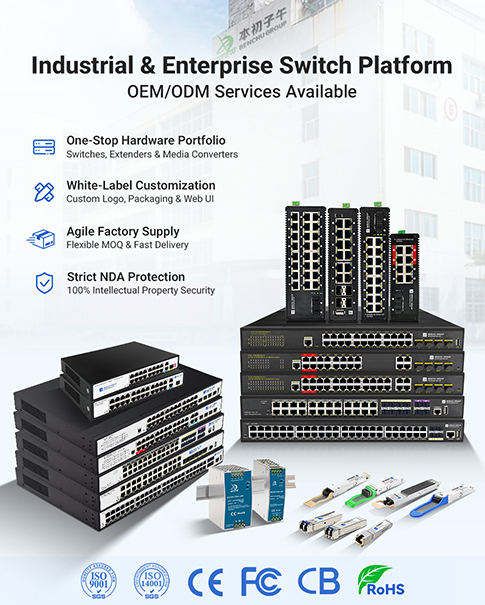
  • What is the purpose of a PoE extender?
    Aug 08, 2024
    Power over Ethernet (PoE) technology has revolutionized the way devices are powered and connected in industrial settings. Among the various components that facilitate PoE deployment, PoE extenders play a crucial role in enhancing network flexibility and efficiency. In this blog post, we delve into the purpose and benefits of PoE extenders, alongside related components like PoE splitters and injectors.   Understanding PoE Technology PoE technology enables Ethernet cables to carry electrical power, along with data, to remote devices such as IP cameras, wireless access points, and VoIP phones. This eliminates the need for separate power cables, simplifying installation and maintenance in both indoor and outdoor environments.   What is a PoE Extender? A 4 port poe extender, also known as a PoE repeater, is designed to extend the reach of PoE networks beyond the standard 100-meter limit of Ethernet cables. It works by amplifying and regenerating both the data and power signals, allowing PoE-enabled devices to be deployed at distances of up to several hundred meters from the network switch or injector. This capability is particularly valuable in large-scale industrial facilities, outdoor surveillance systems, and smart city infrastructure where devices may be spread across expansive areas. Key Benefits of PoE Extenders: Extended Reach: PoE extenders effectively extend the operational range of PoE networks, enabling devices to be placed in locations that would otherwise be inaccessible due to distance limitations. Flexibility in Deployment: They provide flexibility in network design and deployment, allowing for easier adaptation to evolving infrastructure needs without the cost and complexity of additional power outlets or wiring. Cost Efficiency: By leveraging existing Ethernet infrastructure for both power and data transmission, PoE extenders help reduce installation costs and minimize the number of network components required.   PoE Splitters and Injectors: Complementary Components PoE Splitters: These High Power PoE Splitter split the combined power and data received over a single Ethernet cable into separate outputs for powering non-PoE devices that require only data connectivity. They are useful for retrofitting existing infrastructure with PoE capabilities without replacing non-PoE devices. PoE Injectors: Often used in conjunction with PoE extenders, injectors add PoE capability to non-PoE network links or devices. They inject power into Ethernet cables to supply PoE-compatible devices, ensuring seamless integration into PoE networks.   Industrial Applications of PoE Technology In industrial environments, where reliability and scalability are paramount, PoE technology including extenders, splitters, and injectors are instrumental in powering and connecting a wide range of critical equipment such as: Surveillance cameras and security systems Access control systems Industrial IoT (Internet of Things) devices Wireless access points for factory-wide Wi-Fi coverage VoIP phones and communication systems   1 to 4 PoE extender, along with PoE splitters and injectors, enhance the versatility and efficiency of PoE deployments in industrial applications. By extending network reach, improving flexibility, and reducing costs, these components contribute to a streamlined and scalable infrastructure that supports the demands of modern industrial operations.   Incorporating PoE technology not only simplifies installation and maintenance but also future-proofs network infrastructure for ongoing advancements in industrial automation and connectivity.    
    Read More
  • What is the best PoE solution for VoIP phones?
    Sep 10, 2021
      The best Power over Ethernet (PoE) solution for VoIP phones depends on the size of your deployment, network infrastructure, and specific requirements such as scalability, power needs, and management capabilities. Below are the recommended solutions and factors to consider for choosing the ideal PoE setup for VoIP phones.   Key Factors to Consider: 1.Number of Devices: The number of VoIP phones you need to support will influence whether you choose a small PoE injector or a fully managed PoE switch. 2.Power Requirements: VoIP phones typically require minimal power, but you’ll want to ensure your PoE solution provides enough wattage per port to support any additional features, like integrated video conferencing or color displays. 3.Network Management: Managed PoE switches offer enhanced network monitoring, control, and security features, which are important for enterprise environments with complex networks. 4.Scalability: Ensure the PoE solution can scale with your future network needs as you add more phones or devices.     PoE Solutions for VoIP Phones: 1. PoE Switches (Managed or Unmanaged) PoE switches are the most common and versatile solution for VoIP phones. They provide both power and data connectivity through Ethernet cables, streamlining installation and reducing costs. Managed PoE Switch: This is the ideal solution for larger deployments or enterprises where network monitoring, power allocation, and traffic prioritization are important. Managed switches allow you to monitor network traffic, set up VLANs for security, and remotely manage power distribution to VoIP phones. Benefits: --- Centralized control of all VoIP devices. --- Ability to configure QoS (Quality of Service) for VoIP traffic, ensuring call quality. --- Remote management and monitoring of network performance. --- Future scalability with easy addition of more devices. Examples: Cisco Catalyst 2960 Series, Ubiquiti UniFi Switches, Netgear ProSAFE Series,Benchu Group  SP7500 Series.   Unmanaged PoE Switch: For small or simple networks, an unmanaged PoE switch can provide power to VoIP phones without the need for advanced configuration. These switches are plug-and-play, requiring no setup. Benefits: --- Cost-effective for small offices or simple VoIP deployments. --- Easy to use, with no configuration required. Examples: Netgear GS305P, D-Link DES-1005P,Benchu Group SP5200-4PFE2FE.   2. PoE Injectors PoE injectors are standalone devices that inject power into Ethernet cables for individual VoIP phones. They are ideal when you only need to power a few VoIP phones and don’t want to invest in a full PoE Ethernet Switches. Benefits: --- Great for small deployments where only a few VoIP phones need power. --- No need to replace your existing non-PoE switch. --- Simple and cost-effective for small businesses or home offices. Examples: Ubiquiti Networks POE-24-12W, Benchu Group PSE102-GE, TRENDnet TPE-115GI.   3. PoE Midspans PoE midspans are devices that sit between your non-PoE switch and your VoIP phones. They add PoE functionality to a standard Ethernet network without the need to replace the existing switch. Benefits: --- Allows you to upgrade to PoE without replacing existing switches. --- Ideal for businesses that already have a robust network infrastructure. Examples: Phihong POE29U-1AT, Microsemi PD-9001GR , Benchu Group PSE102.     Additional Considerations: 1. PoE Standards --- PoE (IEEE 802.3af): Delivers up to 15.4W per port, which is more than sufficient for most VoIP phones. This is the most common standard used for powering VoIP phones. --- PoE+ (IEEE 802.3at): Delivers up to 30W per port, useful if your VoIP phones have advanced features like video displays or are combined with other devices like cameras or wireless access points. --- Ensure that your switch or injector supports the PoE standard that matches your VoIP phones' power requirements.   2. QoS (Quality of Service) --- For VoIP phones, ensuring call quality is critical. Managed PoE switches allow you to configure QoS settings to prioritize voice traffic over other data traffic, ensuring clear, uninterrupted calls even in busy networks.   3. Network Security --- Managed PoE switches allow you to configure VLANs (Virtual Local Area Networks) to isolate VoIP traffic from the rest of your network. This adds an extra layer of security and ensures that voice traffic is not disrupted by other network activities.     Recommended Solutions Based on Deployment Size: 1.Small Deployment (1-5 VoIP Phones): Solution: Use PoE injectors or a small unmanaged PoE switch. Recommended Models: --- Unmanaged PoE Switch: Netgear GS305P or Benchu Group SP5200-4PFE2FE.   2.Medium Deployment (5-24 VoIP Phones): Solution: Use an unmanaged or managed PoE switch depending on the need for network control and scalability. Recommended Models: --- Managed PoE Switch: Ubiquiti UniFi Switch 24 PoE, Benchu Group SP7500-24PGE4GC, Cisco SG350-28P. --- Unmanaged PoE Switch: Netgear GS110TP or Benchu Group SP5220-24PGE4GC.   3.Large Deployment (25+ VoIP Phones): Solution: A managed PoE switch with advanced features like VLAN support, QoS, and remote management for large office environments. Recommended Models: Cisco Catalyst 2960 Series,Benchu Group SP7500-48PGE4TF, HP ProCurve 2920, or Aruba 2930F.     Conclusion: For small deployments, a PoE injector or a basic unmanaged PoE switch is sufficient. For larger or growing VoIP deployments, a managed PoE switch offers scalability, control, and advanced features like traffic prioritization and monitoring. Choosing a solution with the right power standard (PoE or PoE+) and management capabilities will ensure your VoIP phones function reliably while keeping costs manageable.    
    Read More
  • How to set up a PoE network?
    Sep 16, 2021
      Setting up a Power over Ethernet (PoE) network allows you to deliver both power and data to devices such as IP cameras, VoIP phones, and wireless access points using a single Ethernet cable. The process of setting up a PoE network is relatively straightforward, especially with the right equipment and proper planning. Here’s a step-by-step guide to help you get started:   Step-by-Step Guide to Setting Up a PoE Network:   1. Identify Your PoE Devices Determine which devices on your network need PoE, such as: --- IP Cameras (security cameras) --- VoIP Phones --- Wireless Access Points --- IoT Sensors or other PoE-enabled devices Check the power requirements for these devices (standard PoE or higher power PoE+ or PoE++). Most VoIP phones and IP cameras use standard IEEE 802.3af PoE (up to 15.4W per port), while devices like PTZ cameras or wireless access points may need PoE+ (802.3at, up to 30W per port) or PoE++ Network Switch (802.3bt, up to 60W or 100W per port).     2. Choose the Right PoE Switch or Injectors Option 1: PoE Switch A PoE switch provides both data and power to PoE-enabled devices. Select a switch based on the number of devices and the total power budget needed. --- Managed PoE Switch: Ideal for large networks where you need remote control, monitoring, and configuration of devices. --- Unmanaged PoE Switch: Best for smaller setups or simpler networks where no advanced configuration is needed. PoE Standards: --- PoE (IEEE 802.3af): Provides up to 15.4W per port, sufficient for most VoIP phones and basic IP cameras. --- PoE+ (IEEE 802.3at): Provides up to 30W per port, suitable for more power-hungry devices like high-resolution cameras. --- PoE++ (IEEE 802.3bt): Can provide up to 60W or 100W per port for advanced devices, such as lighting systems or high-power cameras. Option 2: PoE Injectors --- If you already have a non-PoE switch and don’t want to replace it, you can use PoE injectors. These devices “inject” power into the Ethernet cable going to your PoE devices. --- PoE injectors are ideal for small setups or where only a few devices need PoE power.     3. Prepare Your Cabling Use Cat5e, Cat6, or Cat6a Ethernet cables, which are commonly used for PoE networks. These cables can carry both power and data over longer distances, up to 100 meters (328 feet). --- Cat6a is recommended for PoE++ devices requiring higher power or longer cable runs to ensure minimal power loss. Ensure you have enough cable length to connect each PoE device to the switch or injector.     4. Set Up the PoE Switch (or PoE Injectors) PoE Switch Setup: --- Unbox and Connect the PoE switch to your existing network by plugging it into your router or core network switch. --- Power On the PoE Switch by connecting it to an electrical outlet. Connect Your Devices: --- Plug Ethernet cables into the PoE-enabled ports of the switch. --- Run the cables to each PoE device (e.g., IP cameras, VoIP phones, or access points), plugging them into the device’s Ethernet port. --- Managed Switch Setup (optional): If you are using a managed switch, log into the switch’s web interface and configure settings such as VLANs, QoS (Quality of Service), and power management for each device. PoE Injector Setup: --- Connect the injector’s data input port to your existing non-PoE switch using an Ethernet cable. --- Connect the PoE output port on the injector to the PoE device using another Ethernet cable. --- Power the injector by plugging it into an electrical outlet.     5. Test the Network Power On All Devices: Once connected, your PoE-enabled devices should receive both power and data from the switch or injector. Verify Device Functionality: Check that each device (e.g., VoIP phone, camera, or access point) is receiving power and transmitting data properly. Check Power Distribution: On a managed switch, you can monitor the power usage of each port to ensure that devices are receiving the correct amount of power. If your switch has a PoE budget (maximum total power it can deliver), monitor the overall power consumption to avoid overloading the switch.     6. Configure and Optimize Network Settings (Optional) For Managed PoE Switches: --- VLAN Setup: Create separate VLANs (Virtual LANs) for devices like VoIP phones or IP cameras to isolate traffic and improve security. --- Quality of Service (QoS): Configure QoS to prioritize traffic for critical applications like VoIP calls or video streams. This ensures high-quality communication without interruptions. --- PoE Port Management: Adjust power settings for each PoE port, especially if some devices require more power than others. --- Remote Monitoring: Many managed PoE switches allow you to remotely monitor the status and power usage of connected devices via a web interface or network management software.     7. Expand the Network (Optional) --- As your network grows, you can add more PoE switches or PoE injectors to power additional devices. PoE networks are scalable and flexible, making it easy to add more devices without complex wiring. --- For large networks, you may consider deploying PoE extenders to increase the distance of your Ethernet cables beyond the 100-meter limit.     8. Monitor and Maintain the Network --- Periodically monitor the power consumption of your PoE devices and ensure the switch's power budget is not exceeded. --- If using a Managed PoE Network Switch, regularly check logs and alerts for any potential issues with power delivery or network performance. --- Perform routine maintenance to ensure all Ethernet cables and connections are secure, especially in areas with high foot traffic or outdoor installations.     Conclusion: Setting up a PoE network is a cost-effective and efficient way to power and connect devices like IP phones, cameras, and access points. By choosing the right PoE switch or injector, using proper Ethernet cabling, and optimizing network settings, you can build a scalable, flexible network that reduces installation costs and improves device management.    
    Read More
  • How does PoE improve network reliability?
    Nov 18, 2021
      Power over Ethernet (PoE) enhances network reliability in several ways, contributing to more robust and efficient network operations. Here’s how PoE improves network reliability:   1. Simplified Cabling Single-Cable Solution: PoE enables both power and data to be delivered over a single Ethernet cable. This reduces the complexity of installations, minimizes cable clutter, and decreases the risk of cable damage or disconnection, all of which contribute to a more reliable network setup. Reduced Points of Failure: Fewer cables and connections mean fewer potential points of failure. By consolidating power and data into one cable, PoE minimizes the likelihood of issues arising from multiple power sources and connectors.     2. Enhanced Flexibility and Scalability Optimal Device Placement: PoE allows devices like IP cameras, wireless access points, and VoIP phones to be placed in optimal locations for coverage and performance without being constrained by the proximity of power outlets. This flexibility improves network performance and reliability by ensuring devices are deployed where they are most effective. Ease of Expansion: Adding new PoE devices to the network is straightforward and does not require additional power infrastructure. This scalability means that network expansions or changes can be made quickly and efficiently, maintaining network stability.     3. Centralized Power Management Unified Power Supply: PoE switches or PoE injectors provide power to multiple devices from a central point. This centralized power management makes it easier to monitor and manage power usage, ensuring consistent power delivery and reducing the risk of power-related issues. Simplified Troubleshooting: Centralized power systems simplify troubleshooting and maintenance. If a power issue arises, it can be addressed more quickly when power distribution is managed from a single point.     4. Increased Network Uptime Uninterruptible Power Supply (UPS) Integration: PoE Network Switches can be connected to a UPS, providing backup power during outages. This ensures that PoE-powered devices remain operational even when the main power source fails, contributing to higher network uptime and reliability. Redundant Power Options: Some Network Switches PoE offer redundant power supplies (RPS), which provide backup power in case the primary power source fails. This redundancy further enhances network reliability.     5. Improved Device Reliability Stable Power Delivery: PoE delivers consistent power levels to connected devices, which is crucial for maintaining their reliable operation. Variability in power supply can lead to device malfunctions or failures, but PoE ensures that devices receive a stable and sufficient power supply. Reduced Wear and Tear: By eliminating the need for external power adapters and power cords, PoE reduces wear and tear on devices and connections, leading to longer device lifespans and fewer hardware issues.     6. Simplified Infrastructure Reduced Electrical Work: PoE reduces the need for additional electrical wiring and outlets, simplifying infrastructure requirements. This reduction in electrical work decreases the chances of installation errors and the associated reliability issues. Easier Upgrades: Upgrading network devices or adding new ones is simpler with PoE, as it doesn’t require modifications to the existing electrical infrastructure. This ease of upgrading helps maintain network reliability by allowing for smooth transitions to newer technology.     Summary PoE enhances network reliability through simplified cabling, centralized power management, increased flexibility, and scalability. It also contributes to higher network uptime by integrating with UPS systems and providing stable power delivery. By reducing the need for additional electrical infrastructure and minimizing potential points of failure, PoE ensures a more reliable and efficient network environment.    
    Read More
  • How does PoE compare with traditional power solutions?
    Dec 14, 2021
      Power over Ethernet (PoE) offers a number of advantages over traditional power solutions, particularly in environments where flexibility, cost savings, and simplified infrastructure are key considerations. Here’s a comparison between PoE and traditional power delivery methods, highlighting the differences in several key areas:   1. Wiring and Infrastructure PoE: Combines power and data transmission over a single Ethernet cable, eliminating the need for separate power cables. Devices like IP cameras, wireless access points, and VoIP phones can be powered and connected to the network with just one cable. Advantages: --- Reduced cabling complexity. --- Easier and quicker installation. --- Fewer power outlets required. Traditional Power: Requires separate power and data cables, which can increase the complexity of installations, especially in large networks or buildings. Disadvantages: --- Increased wiring costs and complexity. --- Limitations on device placement due to proximity to power outlets.     2. Installation Costs PoE: Reduces installation costs by eliminating the need for dedicated electrical power lines and outlets. Devices can be installed anywhere there is an Ethernet connection, even in areas without easy access to power. Advantages: --- Significant cost savings in both materials (cables, outlets) and labor. --- Simplified deployment in new or retrofitted buildings, especially for IoT devices. Traditional Power: Requires the installation of both power outlets and data connections, which often involves hiring licensed electricians for power cabling. Disadvantages: --- Higher installation and material costs. --- Longer installation time, especially in large facilities or complex environments.     3. Device Placement and Flexibility PoE: Allows greater flexibility in device placement since PoE-powered devices are not restricted by the location of electrical outlets. This makes it easier to deploy devices in optimal locations, such as on ceilings or in hard-to-reach areas. Advantages: --- Devices can be placed where they are most effective (e.g., for maximum Wi-Fi coverage or camera surveillance) without worrying about power accessibility. Traditional Power: Limits where devices can be installed, as they must be near both a data connection and a power outlet. Disadvantages: --- Less flexibility in device placement, which can affect network performance or device effectiveness.     4. Maintenance and Power Management PoE: Offers centralized power management, often through PoE Network Switches. This allows for easier monitoring, management, and troubleshooting of connected devices. Some PoE Ethernet Switches offer features like remote power cycling, power scheduling, and automatic power allocation, which further simplify maintenance. Advantages: --- Remote power control for devices like IP cameras and access points, allowing administrators to reset devices without physically accessing them. --- Easier to monitor power usage across the network. Traditional Power: Devices must be individually plugged into power outlets, making centralized control more difficult. Troubleshooting power issues often requires visiting each device. Disadvantages: --- No centralized power control, requiring manual intervention. --- More downtime for maintenance, as each device must be accessed separately.     5. Power Backup and Redundancy PoE: Can be integrated with a centralized UPS (Uninterruptible Power Supply) to provide backup power for all PoE devices on the network, ensuring continued operation during power outages. PoE switches with redundant power supplies (RPS) can also enhance network reliability. Advantages: --- Uninterrupted power for critical devices like IP cameras and VoIP phones during power outages. --- Simplified backup solution, as only the PoE switch requires a UPS rather than each individual device. Traditional Power: Each device typically requires its own backup solution, such as individual UPS units or battery packs, which can be costly and difficult to manage. Disadvantages: --- More complex and expensive backup power systems required for individual devices.     6. Scalability and Network Growth PoE: Offers scalability with minimal additional infrastructure requirements. As the network grows, new devices can be added without the need to extend electrical wiring or install more outlets. Simply connecting a device to the network via Ethernet is sufficient. Advantages: --- Easier expansion of networks, especially in IoT, smart buildings, and security systems. --- Devices can be deployed rapidly as needs grow. Traditional Power: Expanding the network or adding new devices may require additional electrical wiring, outlets, and infrastructure, making growth more complex and costly. Disadvantages: --- Higher costs and more effort involved in scaling the network.     7. Energy Efficiency PoE: PoE switches are designed to provide just enough power to each connected device, optimizing energy consumption. Additionally, some PoE switches have features like power scheduling to turn off devices during non-peak hours. Advantages: --- Energy-efficient operation, as power is supplied only when needed. --- Lower overall power consumption, reducing operating costs. Traditional Power: Devices powered via traditional outlets may consume more energy, as they are often continuously powered without efficient energy management systems. Disadvantages: --- Higher energy usage, especially for devices that remain on 24/7 without need.     8. Device Compatibility PoE: Increasing numbers of network devices are designed to be PoE-compatible, from IP cameras and VoIP phones to wireless access points and IoT sensors. Devices that are not PoE-compatible can still be connected via PoE splitters, which separate power and data for use with non-PoE devices. Advantages: --- Wide compatibility with a growing range of network devices. --- Simple solutions like PoE injectors or splitters for non-PoE devices. Traditional Power: Non-PoE devices must be powered through separate power adapters or electrical outlets. Disadvantages: --- More devices require power bricks or adapters, adding to clutter and complexity.     9. Initial Cost PoE: The initial investment in PoE switches or injectors can be higher than traditional switches. However, the long-term cost savings in installation, maintenance, and energy efficiency often outweigh the higher upfront costs. Advantages: --- Lower total cost of ownership due to simplified installation, maintenance, and reduced energy consumption. Traditional Power: Initially lower costs, but higher ongoing expenses due to more complex infrastructure and higher energy usage. Disadvantages: --- Higher lifetime costs due to increased complexity and maintenance needs.     Summary Feature PoE Traditional Power Wiring and Infrastructure Single cable for power and data Separate cables for power and data Installation Costs Lower installation costs Higher costs due to electrical work Device Placement Flexible placement, not limited by outlets Constrained by power outlet locations Power Management Centralized, remote control and monitoring Manual management, no centralized control Power Backup Centralized UPS backup for all devices Individual backup required for each device Scalability Easily scalable, minimal infrastructure changes Requires new power infrastructure as network grows Energy Efficiency Optimized power delivery, lower energy consumption Higher energy use, always-on devices Device Compatibility Growing range of PoE-compatible devices Requires adapters or separate power connections Initial Cost Higher upfront cost, lower long-term cost Lower initial cost, higher long-term cost   Overall, PoE offers greater flexibility, simplified infrastructure, and cost savings over traditional power solutions, making it ideal for modern networks, especially those requiring scalability, efficiency, and smart device integration.    
    Read More
  • What is a PoE network design?
    Nov 14, 2022
      A Power over ethernet poe network switch design refers to a system that delivers both data and electrical power over a single Ethernet cable to devices on a network. This type of design simplifies the setup of networked devices like IP cameras, VoIP phones, wireless access points, and other networked devices that require power.   Key Components of PoE Network Design: 1.Power Sourcing Equipment (PSE): This includes PoE Ethernet Switches or PoE injectors that provide power to connected devices. 2.Powered Devices (PD): These are the devices that receive both power and data over the Ethernet cable, such as IP cameras, phones, and wireless access points. 3.PoE Ethernet Cables: Standard Cat5e, Cat6, or higher cables are used to transmit both power and data. 4.Network Switch: In a PoE network switches design, the switch is often integrated with PoE functionality, allowing it to deliver power directly to devices without the need for separate power supplies.     Advantages of PoE Network Design: Simplified Installation: No need for separate power wiring for each device, which reduces infrastructure costs and simplifies cable management. Scalability: Easier to add new devices without running additional power lines. Centralized Control: Power can be managed and monitored from a central switch, improving efficiency and reliability. Safety: PoE ensures low voltage delivery, reducing the risk of electrical hazards.     This design is commonly used in network setups where devices are remotely installed, making it an ideal solution for network integrators or companies deploying large-scale systems like security monitoring or wireless networks.    
    Read More
  • How to improve PoE network performance?
    Nov 17, 2022
      Improving PoE network performance involves optimizing both power delivery and data transmission to ensure that all devices connected to the network operate smoothly and efficiently. Here are several ways to enhance the performance of a PoE network:   1. Upgrade to High-Quality PoE Switches --- Use managed PoE switches for better control over power distribution, monitoring, and traffic management. --- Upgrade to PoE+ or PoE++ standards (IEEE 802.3at or 802.3bt) to support devices requiring higher power levels, ensuring future-proofing and compatibility with advanced devices like PTZ cameras or high-power wireless access points.     2. Optimize Power Budget --- Ensure the PoE network switches has sufficient power budget for all connected devices. Each switch has a maximum power limit it can provide, and exceeding this limit will cause performance issues. Choose switches with a higher power budget when scaling your network.     3. Use Quality Ethernet Cables --- Upgrade to Cat6 or Cat6a cables if you’re using older Cat5e cables, especially for longer distances or when dealing with higher power devices. Higher-quality cables reduce signal loss and ensure stable data transmission. --- Limit cable lengths to 100 meters (328 feet) or shorter to maintain optimal performance.     4. Prioritize Network Traffic (QoS) --- Enable Quality of Service (QoS) on your PoE switch to prioritize critical traffic (e.g., video from IP cameras or VoIP calls) and prevent congestion. --- Set bandwidth limits for non-essential devices to ensure vital services have uninterrupted connectivity.     5. Monitor and Manage the Network --- Use the switch’s monitoring tools to observe power consumption, data traffic, and device status in real-time. Managed PoE switches typically offer detailed monitoring features. --- Implement SNMP (Simple Network Management Protocol) for centralized monitoring and management across multiple switches and devices, ensuring proactive detection and resolution of issues.     6. Proper Cooling and Ventilation --- Ensure that your PoE switches and other network devices are well-ventilated to prevent overheating, which can degrade performance. --- In high-density setups, consider rack-mounted solutions with fans or temperature-controlled environments to maintain stable operation.     7. Segment Your Network (VLANs) --- Use VLANs (Virtual Local Area Networks) to segment traffic, reducing broadcast traffic and improving overall performance, especially in large networks with many PoE devices.     8. Power Redundancy --- Add redundant power supplies or use PoE injectors with backup power sources to ensure continuous power delivery even in case of power failure.     9. Regular Firmware Updates --- Keep PoE switches and connected devices updated with the latest firmware to improve security, stability, and performance.     10. PoE Extenders for Long-Distance --- Use PoE extenders or repeaters if you need to power devices that are beyond the standard 100-meter cable limit. This prevents voltage drop and data degradation over long distances.     By applying these strategies, you can maintain optimal data throughput and power delivery, ensuring that your PoE network runs efficiently and reliably, even as it scales.    
    Read More
  • How to manage PoE power allocation?
    Oct 19, 2023
      Managing PoE power allocation is essential for ensuring that your PoE-enabled switches provide sufficient power to connected devices without exceeding the switch's total power budget. Here’s a guide to help you efficiently manage PoE power allocation:   1. Understand Your Switch’s Power Budget Total Power Budget: Check the total PoE power budget of the switch. This is the maximum amount of power the switch can supply to all connected devices. Per-Port Power Limits: Ensure you know the maximum power each individual port can provide, especially if you are using high-power devices like PoE++ access points.     2. Prioritize Critical Devices Set Power Priorities: Most managed PoE switches allow you to assign priority levels to different ports (e.g., low, medium, high). This ensures critical devices (like IP cameras or access points) receive power even if the power budget is exceeded. Reserve Power for Critical Devices: Allocate more power to essential devices to ensure uninterrupted service.     3. Monitor Power Consumption PoE Power Monitoring: Use the switch’s management interface (usually web-based or through CLI) to monitor the power usage of each port in real-time. This helps prevent overloading. View Historical Data: Some switches can show historical power usage, allowing you to adjust the configuration if you notice consistent spikes or high demand.     4. Disable PoE on Unused Ports Disable PoE on Inactive Ports: Turn off PoE on ports that are not in use to conserve the power budget for active devices. This can be done through the switch’s interface. Automatic Port Detection: Some switches automatically disable PoE on unused ports, while others may need manual configuration.     5. Use PoE Power Scheduling Time-Based Power Allocation: Some managed PoE switches allow you to schedule when certain ports deliver power. This can be useful for non-critical devices that don’t need to be powered 24/7, like access points in non-office hours. Reduce Idle Power Draw: Use scheduling features to optimize power delivery based on operational hours.     6. Calculate Power Requirements for Each Device Match Device Power Needs to PoE Standard: Ensure you know the exact power needs of each connected device and match them to the appropriate PoE standard. For example: --- PoE (IEEE 802.3af): Up to 15.4W --- PoE+ (IEEE 802.3at): Up to 30W --- PoE++ (IEEE 802.3bt Type 3): Up to 60W --- PoE++ (IEEE 802.3bt Type 4): Up to 100W Avoid Overprovisioning: Don’t allocate more power than needed for lower-powered devices, which can deplete the switch’s overall power budget.     7. Deploy Midspans for Additional Power Use PoE Injectors or Midspans: If your switch’s PoE power budget is insufficient for all connected devices, consider using PoE injectors or midspan devices to provide power to devices that require more than the switch can supply.     8. Plan for Future Expansion Allow Room in the Power Budget: Always leave extra capacity in the power budget for future devices. Over-utilizing the power budget can lead to issues if more devices are added later. Modular Switches: Consider modular switches with expandable PoE budgets for future-proofing your network.     9. Power Limit Enforcement Enforce Maximum Power Limits: Some PoE network switches allow you to enforce per-port power limits, preventing individual devices from drawing more power than intended. This is particularly useful for managing high-power PoE++ devices and ensuring other devices receive sufficient power.     10. Firmware Updates Regular Firmware Updates: Ensure the switch firmware is up to date. New firmware versions often improve PoE power management features and resolve issues related to power allocation.     By following these steps, you can efficiently manage PoE power allocation, ensuring all devices receive the necessary power without overloading the switch. Regular monitoring and proactive configuration adjustments are key to optimizing PoE performance in your network.    
    Read More
  • How to integrate PoE with existing networks?
    Dec 18, 2023
      Integrating PoE (Power over Ethernet) into an existing network involves adding PoE capability without disrupting your current infrastructure. This process can be relatively straightforward with careful planning. Here's a step-by-step guide on how to do it:   1. Evaluate Network Power Requirements Identify PoE Devices: Determine which devices in your network could benefit from PoE, such as IP cameras, VoIP phones, wireless access points (WAPs), or other network devices that can receive both power and data over Ethernet cables. Determine Power Standards: Identify the power requirements for these devices. Common PoE standards include: --- PoE (IEEE 802.3af): Provides up to 15.4W per port. --- PoE+ (IEEE 802.3at): Provides up to 30W per port. --- PoE++ (IEEE 802.3bt): Provides up to 60W or 100W per port. Ensure the PoE switch or PoE injector you plan to add can meet the power demands of these devices.     2. Select PoE Equipment There are two main ways to add PoE to your existing network: PoE Switches: Replace your existing non-PoE switch with a PoE switch, which can both power devices and handle data traffic. PoE network switches are available in various sizes (8-port, 16-port, 24-port) and power budgets. Ensure the new PoE switch has enough power per port and a total power budget to support all connected devices. --- Example: Replace a 24-port non-PoE switch with a 24-port PoE+ switch if your network includes devices like wireless access points or IP cameras that require more power. PoE Injectors: If you don’t want to replace your existing switches, you can use PoE injectors. These inject power into the Ethernet cable without replacing the switch. A PoE injector connects between the switch and the PoE device, adding power to the Ethernet connection. Example: If you have a non-PoE switch, you can use a mid-span injector between the switch and a PoE-powered device like an IP camera.     3. Assess Network Cabling Ethernet Cables: Ensure your existing network uses Cat5e, Cat6, or higher-rated cables. These cables support PoE over the required distance (up to 100 meters/328 feet). Cable Length: PoE can deliver power over standard Ethernet cables up to 100 meters. Beyond this, you may need PoE extenders or repeaters to power devices at longer distances.     4. Deploy and Configure PoE Switches Install the PoE Switch: Replace the non-PoE switch with the new PoE switch in the network rack or wherever the switch is located. Power on the PoE switch and connect it to the network backbone. Connect PoE Devices: Plug the devices (e.g., IP cameras, WAPs) into the PoE switch’s Ethernet ports. The switch will automatically detect the powered devices and supply power accordingly. VLAN and QoS Configuration: If you’re integrating PoE with devices that require low latency (e.g., VoIP phones or video cameras), configure VLANs for traffic segmentation and Quality of Service (QoS) for prioritizing critical traffic.     5. Use PoE Management Features Many PoE switches offer advanced management features to monitor power consumption and optimize usage. This is useful in large deployments. Power Budget Monitoring: Most PoE switches have a power budget that limits the total amount of power they can deliver. Use the switch’s management interface to monitor power usage and prevent overloads. Per-Port Control: Some managed PoE switches allow per-port power configuration, letting you prioritize which devices receive power or schedule power cycling for certain devices.     6. Test and Monitor the Network Check Connectivity: Ensure that all devices connected to the PoE switch or PoE injector are receiving both data and power. Use network tools to verify data transfer and device operation. Monitor Power Usage: Periodically monitor the power consumption of PoE devices via the switch’s web interface or management software. Ensure the power budget is sufficient for all connected devices.     7. Consider Network Scalability --- As your network grows, plan for future PoE needs. If more devices will require power, choose PoE switches that offer modular expansion or switches with higher power budgets. --- Ensure your PoE solution can support future PoE-powered devices with higher power demands, such as PoE++ devices like video conferencing systems or high-power outdoor access points.     Conclusion Integrating PoE into an existing network can be done smoothly by selecting appropriate PoE switches or injectors, ensuring compatible cabling, and configuring the network to handle both data and power efficiently. If done correctly, PoE integration enhances network flexibility, reduces cabling complexity, and supports a wide range of powered devices.    
    Read More
  • What is the cost difference between PoE and traditional power solutions?
    Sep 12, 2024
      The cost difference between Power over Ethernet (PoE) and traditional power solutions primarily depends on several factors, such as installation complexity, equipment costs, and long-term maintenance. Here’s a breakdown:   1. Initial Equipment Cost PoE: PoE switches and PoE injectors tend to have higher upfront costs compared to non-PoE switches. This is because PoE devices include additional circuitry for power delivery. Traditional Power Solutions: Devices using traditional power require separate power supplies, such as power adapters, which are usually lower in cost but add to the number of required components.     2. Installation Costs PoE: Installation is generally more cost-effective, as data and power are delivered over a single Ethernet cable. This reduces the need for electrical outlets near each device, saving on both wiring and labor costs. Traditional Power: With traditional power, you'll need separate power lines for each device, which increases installation time, complexity, and cost, especially in areas where running electrical power is difficult.     3. Maintenance & Flexibility PoE: PoE is easier to maintain, as there’s no need for separate power infrastructure, and it offers more flexibility for device relocation without requiring rewiring. Traditional Power: Traditional solutions often involve more complex maintenance, especially if devices are placed far from power outlets.     4. Energy Efficiency PoE: PoE systems can be more energy-efficient, as they enable centralized power management and can reduce energy consumption by powering down devices when not in use. Traditional Power: Traditional power adapters can consume more energy, even when devices are idle.     5. Long-Term Cost PoE: Although PoE has higher initial hardware costs, the total cost of ownership may be lower due to savings in installation, cabling, and maintenance. Traditional Power: Separate power systems can have higher long-term costs due to maintenance and less efficient energy use.     Conclusion: --- PoE may have a higher upfront cost due to specialized PoE ethernet switches and injectors but often results in lower overall costs in terms of installation and long-term maintenance. --- Traditional power solutions have lower upfront costs but may incur higher expenses over time for installation, energy, and maintenance.     For large-scale installations, PoE is usually more cost-effective and flexible in the long run, while traditional power may be cheaper for small-scale or individual setups.    
    Read More
1 2 3
A total of3pages

leave a message

leave a message
If you are interested in our products and want to know more details,please leave a message here,we will reply you as soon as we can.
submit

home

products

WhatsApp

Contact Us